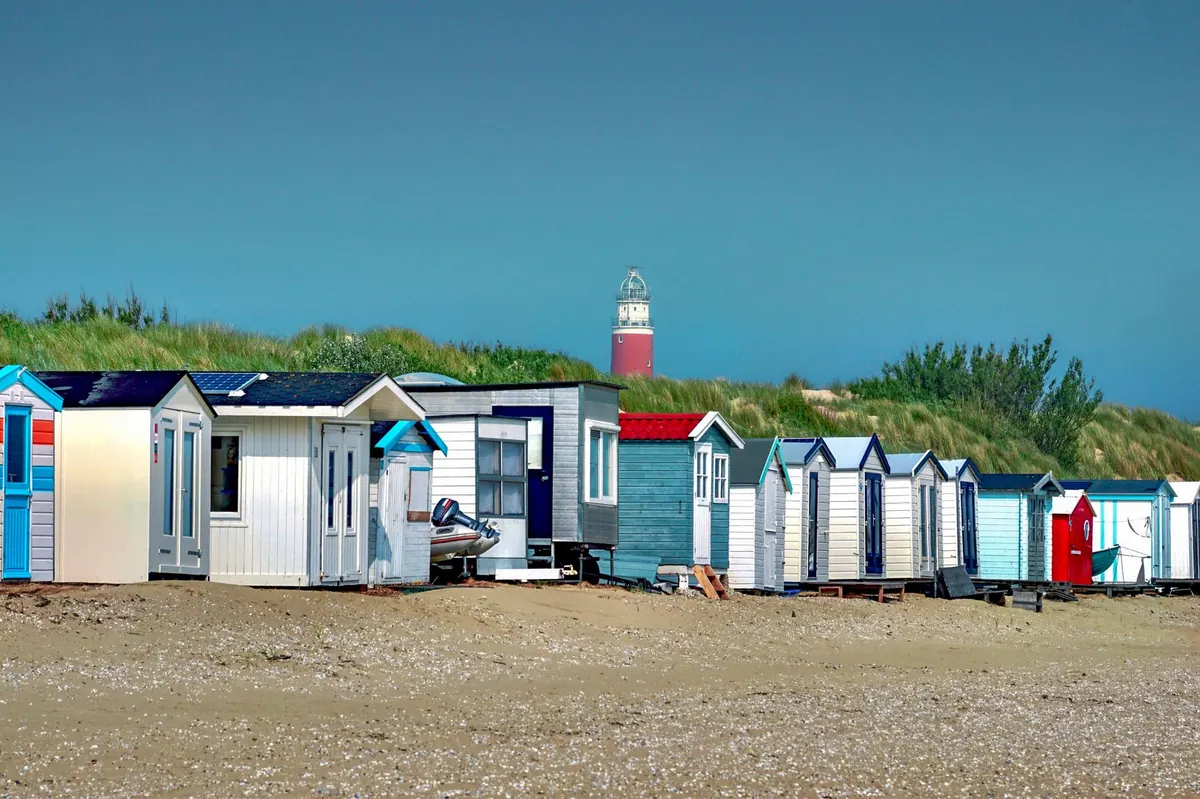
A weekend at the British seaside can hand you blazing sunshine, sea fret, a stiff onshore breeze and a proper downpour before the pub opens. That is the charm of it, mostly. It is also why the usual beach-holiday packing logic falls apart: you are not packing for a climate, you are packing for a forecast that changes its mind.
Everything below fits in one holdall and a day bag. Pack for the weather you might get rather than the weather you have ordered, and a wet Saturday in Whitby becomes a story instead of a washout.
Layers Are the Whole Strategy
The coast runs a few degrees cooler than inland, and wind chill does the rest. Build up three thin layers rather than one thick coat, so you can add and shed as the day turns.
Next to the skin
A merino or synthetic base layer. Leave the cotton T-shirt for the beach bag; cotton holds sweat and then chills you when the wind picks up.
Mid-layer
A fleece, a thin down jacket or a wool jumper. This is the layer you will use most, so choose one you can tie round your waist without it dragging in the sand.
Outer layer
A waterproof shell with taped seams and a hood you can cinch down. Not shower-resistant, not water-repellent — genuinely waterproof.
Add a hat that stays put in wind, a buff or light scarf, and gloves if you are visiting before May or after September. Coastal evenings are cold even in a heatwave: the walk back from the harbour at ten o'clock is a different climate from the beach at two.
Rain Gear and How to Carry It
Assume it will rain at least once. Assume, too, that the rain will arrive sideways and last precisely as long as your walk along the promenade.
- A packable waterproof jacket per person
- Waterproof overtrousers — unglamorous, cheap, and the difference between a happy cliff walk and a miserable one
- A 10–15 litre dry bag for phones, camera and spare socks
- Two spare pairs of socks per person, kept dry
- A waterproof phone pouch if you plan to paddle
An umbrella is fine in town and useless on an exposed headland, where it will invert within thirty seconds. Sea spray and drizzle are different problems: spray wets everything evenly, drizzle soaks you slowly and persuades you to stay out too long. One roll-top bag for all wet kit keeps the rest of your luggage dry in the car boot.
Beach Essentials, British Edition
You need less than you think, but a few items earn their place every time.
- A roll-up mat or old picnic blanket — a beach mat with a sand-shedding surface is worth the money if you go often
- Microfibre towels, which dry fast and pack small
- Swimwear, plus a spare set if children are involved
- Sun cream, factor 30 or higher, even on grey days; windburn and reflected UV catch people out
- Sunglasses and a hat with a strap
- Refillable water bottles and snacks
- A bag for wet costumes and towels
- Plasters, painkillers and any personal medicine you might need
- Cash and coins for parking, ice creams and the pier arcade
Buckets and spades can be bought cheaply on arrival, which saves boot space and means you are not carting a plastic castle home again.
Before you settle anywhere, check the tide times. In many coves the water returns faster than people expect and the path behind you can disappear. Tide tables are pinned up at harbours, available in tourist information offices, and easy to find in apps; five minutes over breakfast is time well spent. Where lifeguards are on duty, swim between the flags and follow the signage.
Windbreaks, Shelters and Comfort on the Sand
Wind is the difference between a lovely afternoon and an hour of grit in your sandwiches. A wooden-slat windbreak is heavier but holds its ground; a fabric one with poles needs pushing in at a steep angle, leaning away from the wind, and a mallet or a sturdy shoe to get it started.
If you prefer a pop-up shelter or a small tarp, practise putting it up in the garden first. Nothing sours a first hour on the beach like wrestling with poles while the family waits.
Do check local rules. Many councils restrict barbecues, fires and ball games in season, and some beaches ask that you keep dogs on leads. Signage at the entrance tells you what applies. Avoid digging deep holes in sand, as they collapse without warning.
Two Pairs of Shoes, No Compromise
This is where most weekend bags go wrong. Bring waterproof walking shoes or boots for cliff paths, damp grass and harbour walls, and a second pair — sandals, old trainers or wellies — for the beach, rockpools and estuary mud. Rockpools are genuinely slippery, so grip matters. Never break in new boots on a coastal path.
Leave a third pair of dry shoes and socks in the car. Your future self, driving home with damp feet, will be grateful.
The Small Things That Save a Trip
- A power bank and charging cable
- A head torch or small torch for late walks back
- Spare carrier bags for wet kit, rubbish and sandy shoes
- Wet wipes and hand gel
- A flask — tea on a windy bench is a small triumph
- A book or pack of cards for the rainy afternoon
- Binoculars for seals, seabirds and ships
- A screenshot of the tide table in case the signal drops
Check the forecast and the tide times together rather than separately; a sunny afternoon at low water is a very different proposition from the same afternoon three hours later.
The Night Before: A Ten-Minute Check
- Read the forecast and note high and low water for each day.
- Lay out one complete dry set of clothes per person and leave it in the car.
- Charge phones, power banks and cameras.
- Confirm what your accommodation provides — towels, hairdryer, cot — so you are not doubling up.
- Put everything waterproof by the front door, where you cannot forget it.
- If you are walking a stretch of coast path, tell someone your route and rough timing.
Then stop packing. The best seaside weekends are the ones where the bag is zipped, the flask is filled and you are on the road before the traffic builds. With a jumper, a shell and dry socks, you are ready for whatever the coast decides to do.