Interrail vs. Eurail: Which Rail Pass Is Right for UK Travellers?
Interrail and Eurail sell what looks like the same thing: one pass, dozens of countries, hop on and off as the mood takes you. The difference comes down to a single question — where do you live? Answer it wrongly and you can buy a pass you are not entitled to use. For most British travellers the answer is Interrail, but there are exceptions, and a few trips where neither pass earns its keep.
Interrail or Eurail? It comes down to residence, not nationality
Interrail is for people who have been resident in Europe — including the UK — for at least six months. Eurail is for people who live outside Europe. That is the whole distinction. Both are run by the same company, cover the same countries, and sit in the same app with the same reservation system, so there is no quality difference to weigh up.
It follows that a British passport holder who moved to Toronto five years ago buys Eurail. A Canadian who has been studying in Manchester for a year buys Interrail. Residency, not the colour of your passport, decides it — and you may be asked to prove it with an ID document plus something showing your address, such as a lease, utility bill or residence permit. Travellers occasionally get caught out by this at a ticket desk halfway across Europe, having packed light and left the paperwork at home.
Brexit did not change the picture here. The UK remains part of the Interrail map and British residents remain eligible. Rules are tweaked from time to time, though, so if your situation is unusual — dual residence, a long stint abroad, a passport from one country and a home in another — check the current eligibility terms on the official site before you pay.
If you are unsure how to prove residence, gather more than you think you need. A passport plus a recent bank statement, tenancy agreement, council tax bill or university enrolment letter is usually enough. Keep digital and paper copies with you, because a conductor or ticket office may ask for proof even after you have activated the pass. It is rare, but it happens, and a screenshot on a phone with no signal is not much help.
What you are actually buying
There are two main formats. A Global Pass covers the full list of around 33 European countries and comes either as a flexible pass — a set number of travel days to use inside a longer window, such as ten days within two months — or a continuous pass for unlimited travel on consecutive days. A One Country Pass is cheaper and suits a slower trip: a week in Italy, say, or a loop around Spain.
Fares then vary by age band: youth (under 28), adult, and senior (60 and over). Children aged 4 to 11 normally travel free with an adult pass holder, while under-4s travel free without a pass; check the current terms, as these details do shift. Most people buy second class, and first class is rarely worth the extra on the trains you will realistically be using. Passes are issued digitally and live in the official app, where you activate each travel day and show the code to the conductor.
One Interrail quirk worth knowing: the Global Pass includes two travel days in your own country of residence — one outbound and one inbound journey. That covers getting from, say, Leeds to London for the Eurostar, and the same on the way home. Eurail passes have no equivalent, because the holder does not live in Europe.
Global Pass vs. One Country Pass: a worked example
Suppose you have ten days and want to travel from London to Paris, then on to Lyon, Marseille and Nice. A One Country Pass for France, plus a Eurostar reservation, may well beat a Global Pass. But if you add Italy and Switzerland, crossing borders several times and covering long distances, a Global Pass starts to make sense. The pass is strongest when you move between countries often and take plenty of long rides. For a single-country trip with a couple of day trips, point-to-point tickets are often cheaper and give you more freedom.
Reservations: the part that catches people out
A pass is not a golden key to every train. On plenty of services you still need a seat reservation, and that costs extra — the pass covers the fare, not the seat.
- Reservations compulsory: Eurostar, French TGV and long-distance Intercités, Spanish AVE and intercity services, Italian high-speed trains, most cross-border trains, and virtually every night train.
- Usually optional: regional and local services, most German long-distance trains, and the Swiss network — although booking a seat is still sensible in peak season or on a Friday afternoon.
Fees vary by route, operator and demand, and they add up quickly over a two- or three-week trip. Sleeper berths cost considerably more than a standard seat. Eurostar and a handful of other international services release only a limited number of pass-holder seats, so book as soon as your dates firm up. Cross-Channel ferries are not included, though some operators offer pass-holder discounts if you ask.
Rule of thumb: if you are a UK resident and plan to take more than about four long-distance train journeys in a two-week trip, price a pass against point-to-point tickets. If you are taking two or three short hops, individual tickets will usually be cheaper and more flexible.
Budget for reservations as a separate cost. A long-distance reservation might add £10–£35 per person, and sleepers or Eurostar can be more. A family of four on five reserved trains could easily spend £200 or more before they have paid for a single meal. Some operators release pass-holder reservations only two or three months ahead, and popular routes sell out. If your dates are fixed, book the reservation as soon as it opens. If you are flexible, regional trains avoid fees but take longer.
When a pass is not worth it
Passes are convenient, but they are not automatically cheaper. Three groups often do better with separate tickets:
- Short trips: a weekend in Paris, a few days in Belgium or a quick city break. Advance singles on Eurostar and TGV can undercut a pass once reservations are added.
- Slow travellers: if you stay in one city for a week and take one day trip, a pass wastes travel days. You are paying for flexibility you are not using.
- Budget airline users: if you fly between bases, a rail pass duplicates the journey. It can still be useful for a side loop, but compare carefully.
Groups and families should also compare. Some countries offer regional day tickets, group fares, weekend passes and advance singles that beat a pass for two or three people. The pass wins on spontaneity and long-distance coverage, not on every itinerary.
How to choose: a quick decision guide
- Confirm your residency. UK resident for six months or more: Interrail. Living outside Europe: Eurail.
- Map your trip. Count countries, long-distance journeys and the number of days you will actually move.
- Price both options. Add the pass cost, reservations and any supplements, then compare with advance point-to-point tickets.
- Check reservation-heavy routes. If your trip is mostly Eurostar, TGV, AVE or night trains, the pass may save less than you expect.
- Buy early if it wins. Passes sometimes go on sale, and reservations open months ahead. Waiting can cost you seats.
Practical tips for UK travellers
- Eurostar: book pass-holder seats early. They are limited, and the fee is separate from the pass. Some UK domestic trains are included on your two home-country travel days, but check restrictions and peak-time rules.
- Paperwork: carry proof of residence. A phone screenshot may not be enough if a conductor or ticket inspector asks for more.
- App: activate travel days only when you board. A travel day runs until midnight, not for 24 hours, so a late train still counts as that day.
- Night trains: expect a travel day plus a berth reservation. If you board before midnight, you may need to activate the departure day; check the rules for your specific service.
- Seat vs. reservation: in Germany, you can board many long-distance trains without a reservation but may stand. In France and Spain, you cannot board certain trains without one.
The bottom line
For most UK travellers, Interrail is the pass you are eligible for, and it can be excellent value on a multi-country trip with plenty of long train rides. Eurail is the equivalent for friends or family visiting from outside Europe. But neither is a magic ticket. Compare the total cost, including reservations, against advance point-to-point fares. If the numbers work, buy the pass and book the seats. If they do not, keep your money for the journey itself.
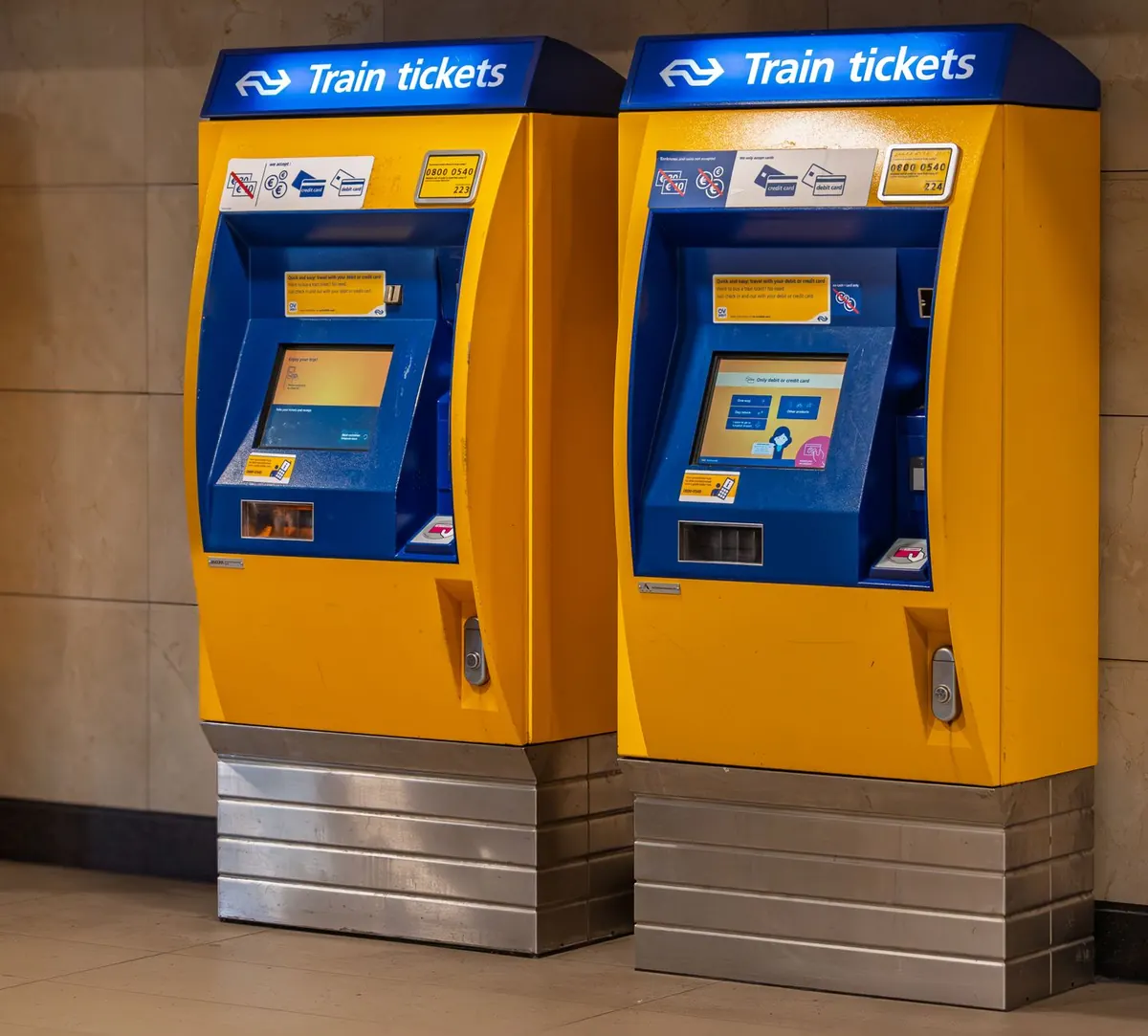
Photo: NoName_13 / Pixabay