Japan rewards a little preparation more than most destinations. The trains run on time, the streets feel safe at midnight and the food is as good as everyone says. What catches people out is not the big stuff, it is the small unwritten rules: which machine takes your card, where the rubbish goes, whether you should be standing on the left of the escalator. None of it is hard. It is simply different, and an hour of reading before you fly will make the whole trip feel calmer.
Cash still matters, even in a country that looks cashless
Tokyo convenience stores take contactless cards. So do most hotels, chain restaurants and department stores. That can lull you into leaving your wallet in the room, and then you meet a tiny ramen counter with a ticket machine that only accepts coins, a rural bus, a shrine stall or a market trader selling grilled skewers. Suddenly your afternoon is about finding an ATM.
Carry a few days' worth of spending money in cash, split between your wallet and a zipped pocket in your bag. Notes come in ¥1,000, ¥5,000 and ¥10,000, and shops are generally happy to break the larger ones, but a healthy supply of ¥100 and ¥500 coins saves a lot of fumbling.
Two small habits help. First, use the tray. At most tills there is a small dish beside the register; place your notes and coins there rather than pressing them into the cashier's hand. Second, wait for your change to be counted back to you before you pack up and leave. Tipping is not expected and often causes mild confusion, so a genuine thank you is enough.
For withdrawals, the ATMs in 7-Eleven stores and at post offices are the most reliable for foreign cards, and airport arrivals halls are a good place to take out your first batch. Smaller bank branches may not accept overseas cards at all.
If your trip depends on a particular card or account, tell your bank you are travelling and check the foreign transaction fees before you go. Those charges add up quietly over a fortnight.
Treat the railways as a system, not a single service
Japan's rail network is superb and initially overwhelming. Almost all first-day stress comes down to three things:
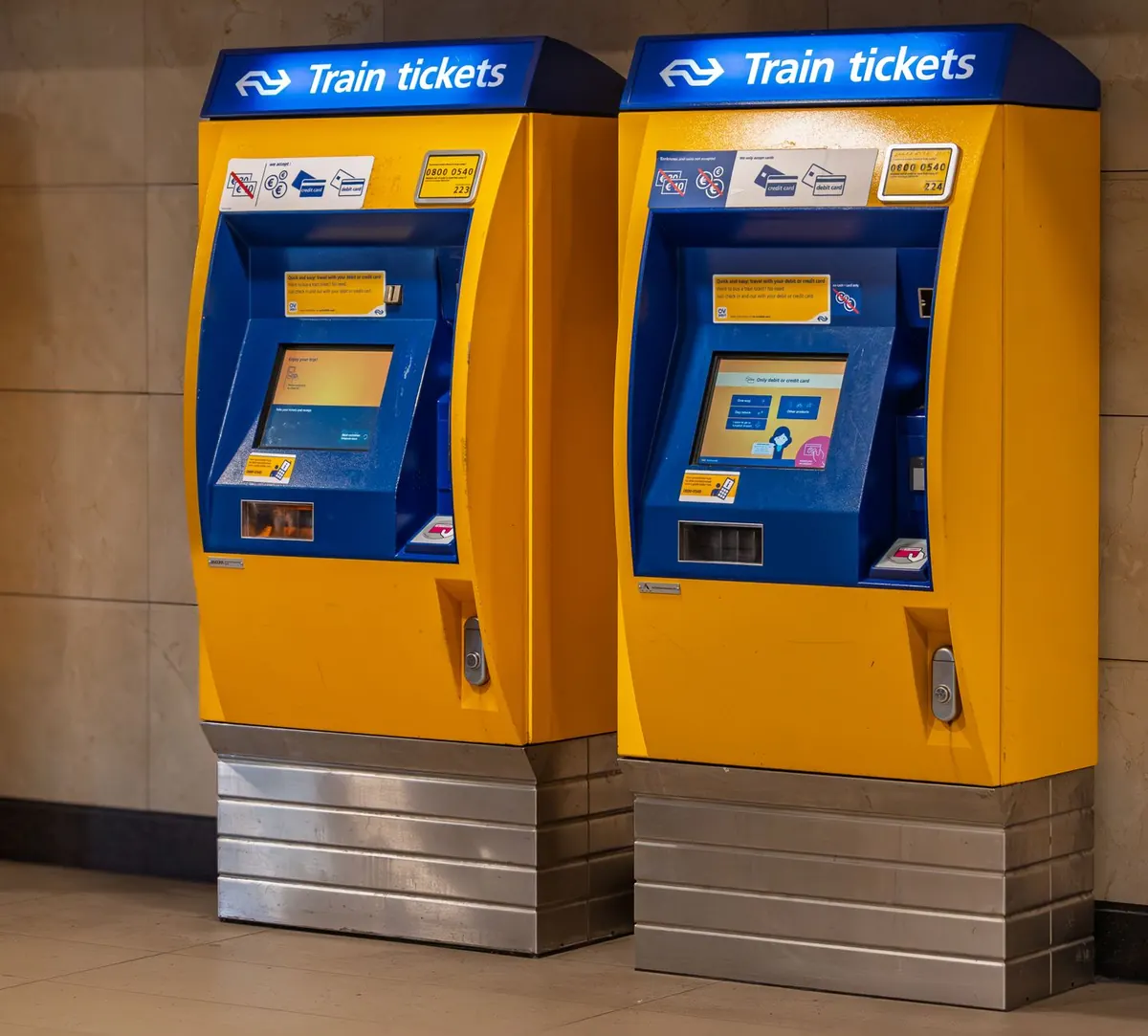
- Fares and IC cards. An IC card is a rechargeable travel card you tap in and out with. You can buy and top one up at station machines, and many newer phones can hold a digital version instead. Work out the fare on the map above the ticket machines, or let the card do it for you.
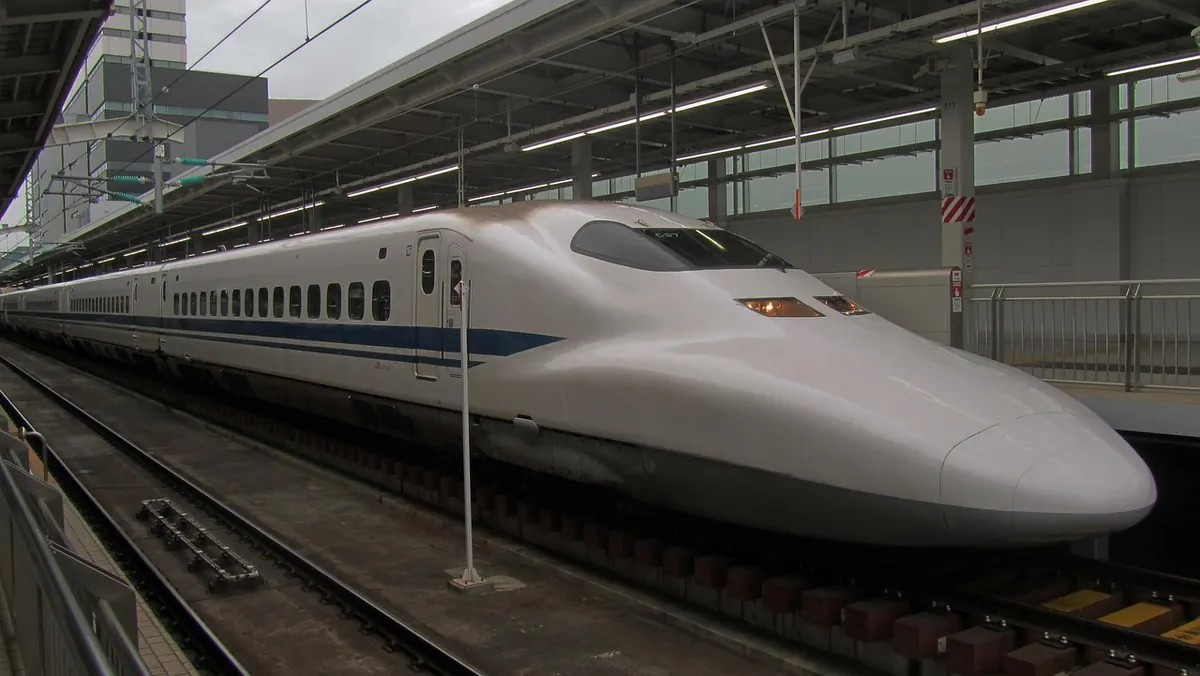
- Shinkansen bookings. A bullet train ticket is a base fare plus a seat reservation. Reserved carriages give you a guaranteed seat; non-reserved carriages are first come, first served. Book ahead for popular routes and holiday periods, and check the luggage rules before turning up with a large suitcase.
- Station scale. Shinjuku, Tokyo and Osaka stations are effectively small towns. Note your exit letter or number before you set off, allow ten extra minutes, and follow the overhead signs rather than your phone.
Two practical points. Rush hour is genuinely intense, so shift your day if you can. And many lines stop running before midnight, which makes a late dinner more expensive than it needs to be.
Etiquette: the rules that matter, and the ones that don't
Nobody expects you to be flawless. Japanese hosts are famously forgiving of visitors who try. Focus on a short list.
Take your shoes off where you see a step down into a genkan, or a row of shoes by the door: homes, ryokan, some restaurants, temple buildings. Slippers are usually provided, and there is often a separate pair for the toilet, which should stay in the toilet.
Keep your voice down on trains and put your phone on silent. Calls on carriages are frowned upon. Eating and drinking while walking is generally avoided, though eating at the stall you bought from is fine, and slurping noodles is perfectly acceptable.
A small nod is a perfectly good bow. Do not stand chopsticks upright in a bowl of rice or pass food from one pair of chopsticks to another, as both echo funeral rites. In an onsen, wash thoroughly before you get in, leave swimwear in the changing room, and check the rules in advance if you have tattoos, as some baths restrict them.
Rubbish bins are rare, so bring a bag
You will walk for an hour and not see a bin. This is not an oversight; it follows a long-standing approach to public cleanliness, and most people carry their litter home. Bring a small drawstring bag or reuse a carrier bag and empty it at your hotel.
Where bins do exist, they are usually sorted. Expect separate slots for burnable waste, PET bottles, cans and sometimes plastic packaging. Read the labels above them, flatten your bottles where asked, and if you are unsure, take it with you. The bins outside convenience stores are intended for items bought there, not for a day's accumulated rubbish.
Queues, escalators and the art of standing still
Order is the quiet genius of public life here, and joining it is easy once you know what to look for.
Platforms have painted markings showing where each carriage door will stop. Stand inside the lines, form two lines either side of the door and let passengers off before you get on. Buses and taxis work the same way. Do not wave down a taxi that is waiting in a rank queue.
On escalators, stand on one side and walk on the other. Which side varies by region and sometimes by station, so follow the person in front rather than a rule you read somewhere.
On crowded trains, take your backpack off and hold it in front of you or stow it on the overhead rack. Keep pushchairs folded where you can, and offer priority seats to anyone who looks like they need them. Nobody will say anything if you get it wrong. They simply will not need to, because you will have noticed.
A short checklist for your first day
- Set up an IC card, or a digital one on your phone, before you leave the airport.
- Withdraw cash and keep some coins separate for ticket machines and small shops.
- Save the name and address of your hotel in Japanese, ready to show a driver.
- Fold a plastic bag into your day pack for rubbish, and a small towel for washrooms.
- Note the last train time for the line back to your accommodation.
- Assume you will get something wrong, apologise, and carry on. That is what everyone does.
Japan is one of the easiest countries in the world to travel in once the first day is behind you. Learn the tray, the IC card and the bin bag, and the rest will look after itself.
Photo: PeterW1950 / Pixabay